
O VALE DOS ENCONTROS
It was in the vicinity and between the waters of the Tamanduateí River and its largest tributary, the Anhangabaú River, that the city of São Paulo was born.
And that was well before the first European arrived at the location.
The Guarani people, the original inhabitants of this land, already understood the importance of the region for the lives of people and animals; they treated it as
a sacred place even before any Jesuit prayed in these parts.
The Guarani people built an impressive body of knowledge: geographical, botanical, social, gastronomic, and in as many areas as it is possible to encompass. Rich, profound, ancient, natural, and sustainable – and this well before sustainability existed as a concept. This legacy has not been completely lost, but has merged with the innovations that the passage of time has brought.
One of the greatest impacts was precisely a clash of cultures, which would even change the waterways. The colonizing peoples invaded, forcibly provoking a process of change that is still felt today in the life of São Paulo and the country, especially in the lives of its indigenous peoples. Like the Big Bang, this fission...
New languages, new customs, and even new plants emerged.
Coffee, watercress, and various teas dominated the landscape, with traces of that era still resonating today in urban constructions that have incorporated the plants even in their names. The most symbolic of these is the Viaduto do Chá (Tea Viaduct). Plants that enriched the new owners of those lands, who, in turn, when they also became the old owners, saw them expropriated. They too left their mark. Streets and buildings constructed there hold within them...
Their respective names are in memory of barons and counts.
Since nothing is as it was before, changes have been superimposed on what already existed. We have parks built on the plantations that were once home to wildlife.
A French boulevard. And what about Avenida Prestes Maia? Cars leave, people return, and we have a public promenade built on top of the old avenue.
Yes, our Valley has been envisioned many times, with diverse projects and people involved, adapting to the present time. Today we are here, looking to the past and to the future, reclaiming Anhangá, a legend that refers to the protective spirit that watches over the nature of the area and gives the Valley its name.
to restore the essence of the New Anhangabaú.
Vale da Gente aims to give people back the right to occupy a public space of immeasurable historical importance. With art. With culture. With leisure. With experiences. With safety and tranquility to enjoy the heart of the city.
HISTÓRIA DO VALE
Occupation of the region by non-native peoples
XVII


1889
Proclamation of the Republic
Inauguration of the Viaduto do Chá
1892
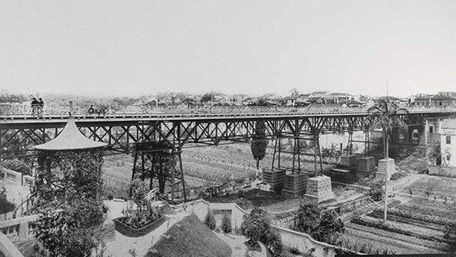

1906
Anhangabaú River Channelization
Greening of the Anhangabaú Area
1910


1911
Opening of São Paulo Municipal Theatre and the City's First Traffic Jam
Modern Art Week and the Fountain of Wishes Project at
Ramos de Azevedo Square
1922


1926
Opening of the Alexandre Mackenzie Building (Light Headquarters)
Opening of the Martinelli Building
1929


1930
Gay Social Hub and the Construction of the Expressway
New Viaduto do Chá and the Opening of the Matarazzo Building
1937


40
Years
Urban renewal
Redevelopment of Anhangabaú Park
80
Years


1984
Diretas Já! Movement
Completion and Opening of the Redeveloped Park
1992


2022
Novo Anhangabaú
WELCOME TO A NEW MEETING!
We arrive at the present day with the delivery of a new project, a new Anhangabaú Valley. Once again, it was created with people from these lands and from elsewhere. It is reborn from a collective contribution as a space that should be occupied and appropriated by the public, the true reason for the renovation. And there will be no shortage of reasons for the public to be present in body and soul. Today, the New Anhangabaú is a multi-purpose square with permanent programming throughout the year.
By the way, browse our website; it's also part of this great new feature. Save it to your
Favorites and stay tuned to the schedule available here.